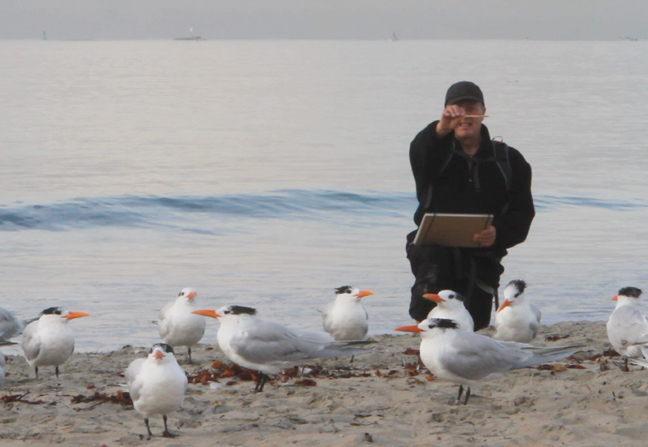
Mayhew's artwork has been acquired by several prestigious museums including the J. Paul Getty Museum in Los Angeles, the Harvard University Art Museums, the Cleveland Museum of Art, the Boston Museum of Fine Arts, the Philadelphia Museum of Art, the National Gallery of Art in Washington, DC, the Fogg Art Museum at Harvard University, the National Museum of Wildlife Art in Jackson Hole, the Leigh Yawkey Woodson Art Museum, and the University of New Mexico’s Museum of Fine Art. He has received numerous awards and honors for his artwork, which includes receiving the Leigh Yawkey Woodson Art Museum’s highest honor of Master Artist in 2020, the prestigious Red Smith Award for Best in Show at the 2015 Western Visions exhibition at the National Museum of Wildlife Art. The Trustees Purchase Award in 2014 from the National Museum of Wildlife Art, the Artistic Excellence Award from Southwest Art magazine in 2011, and the Robert Kuhn Award from the National Museum of Wildlife Art in 2010. His artistic contributions to the State of New Mexico were recognized in 2011 by a resolution of the Legislative Council of the State of New Mexico in Santa Fe. Mayhew and his artwork have been featured in many prestigious fine art journals including Southwest Art, Fine Art Connoisseur, Western Art and Architecture, and the Gray’s Sporting Journal.
Mayhew was the Artist in Residence at the Leigh Yawkey Woodson Art Museum in 2016 and the Lanford Monroe Memorial Artist-in-Residence at the National Museum of Wildlife Art in Jackson Hole, Wyoming, in 2010. He is listed in Who’s Who in American Art since 2006, and was inducted as a signature member of the National Academy of Professional Plein Air Painters in 2007. His undergraduate studies were done at the University of Michigan and he received a doctorate from Wayne State University in 1978. To expand on his formal education, Mayhew sought out and studied with some of the finest contemporary masters of art. He values his years spent studying with the renowned animal painter, Bob Kuhn, where he learned how to observe and understand the behavior of animals in their natural environment, and credits his time spent drawing animals with Kuhn for instilling in him the importance of drawing from life. Mayhew also studied landscape painting en plein air from Clyde Aspevig and Matt Smith to learn how to depict the natural environment.
|
No material on this website may be duplicated, borrowed, printed or displayed elsewhere without permission. |










 Timothy David Mayhew is an award winning professional artist from the four corners area of New Mexico, located near the borders of Arizona, Colorado, and Utah, giving him a uniquely varied environment in which to work..
 Mayhew’s notable solo and group exhibitions include the Western Visions exhibition at the National Museum of Wildlife Art, the Birds in Art exhibition at the Leigh Yawkey Woodson Art Museum, the Cheyenne Frontier Days Old West Museum’s Western Art Show and Sale, the Settlers West Miniature Exhibition, the Thomas Gilcrease Museum, Trailside Galleries’ Masters in Miniature Invitational Show, the Saks Galleries’ American Art Invitational, the Leumeister Fine Art Exhibition, the Evansville Museum of Art, the Nicolaysen Museum of Art, the Bradford Binton Museum, and the Art of the Animal Kingdom.